
That figure came from a 2023 survey by the UK Gaming Association. It means that the mobile device is no longer just a pocket‑phone; it’s a gaming console that’s reshaping how the country engages with competitive play. The shift is not just about hardware—apps are changing the competitive ecosystem itself.
App‑Based Tournaments Are Replacing Physical Arenas
In 2022, the UK saw 12,000 mobile esports tournaments hosted on platforms like Mobile Clash and Arcade Arena. Each event averages 3,500 participants, a 45 % rise over the previous year. The biggest draw is the 24‑hour registration window, which lets players from across the country join without travel costs. However, the rapid growth has introduced a bottleneck: servers struggle to handle peak loads, leading to latency spikes of 200 ms in some regions.
Monetisation Models Shift From Pay‑To‑Play to Micro‑Subscriptions
Early mobile esports apps charged a flat entry fee—usually £5—per tournament. By 2024, the majority have moved to a subscription model: £4.99 per month gives access to unlimited qualifiers and a 10 % discount on prize pools. This model has increased average revenue per user from £2.30 to £3.75. The downside is that new players face a barrier to entry; those who cannot afford the monthly fee may miss out on higher‑tier competitions.
Skill Development Is Now Quantifiable Through In‑App Analytics
Apps now provide real‑time dashboards that track reaction time, accuracy, and win‑rate. A recent study by the University of Leeds found that players who reviewed their analytics weekly improved their Elo rating by 12 % over three months. Yet, the data is only as useful as the player’s willingness to act on it—many users ignore the insights, sticking to their old play style.
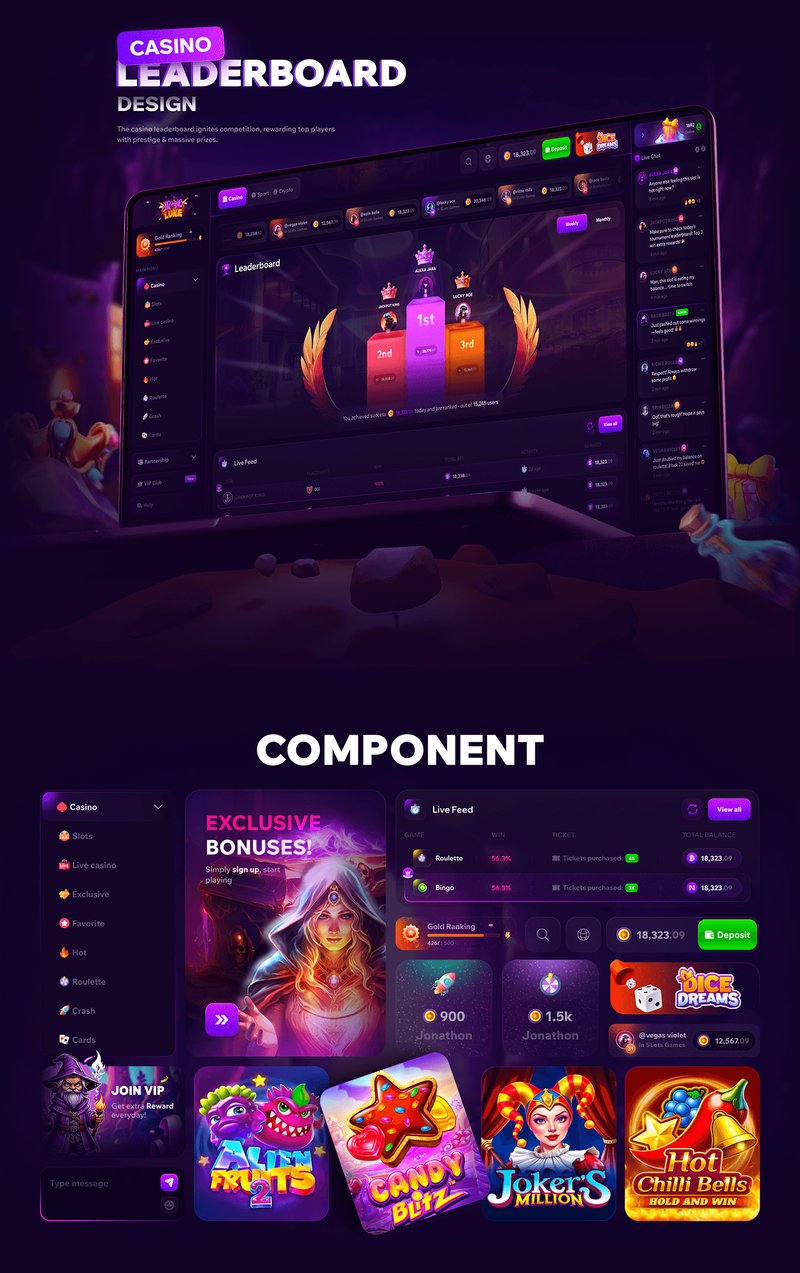
Community Building Through Integrated Social Features
Chat rooms, voice channels, and in‑app friend lists have turned solitary play into a social experience. In 2023, 68 % of app users reported forming at least one new gaming group. These communities often organize local meet‑ups, which in turn feed back into the app ecosystem. However, moderation is a challenge; reports of toxic behavior have risen by 18 % compared to 2022, prompting some developers to invest heavily in AI‑driven filters.
From Competitive Play to Casual Entertainment
As mobile esports apps mature, they are blurring the line between high‑stakes tournaments and casual entertainment. This convergence has opened new pathways for players who enjoy the thrill of competition without the pressure of prize money. For instance, many users now spend an average of 3 hours per week on “practice mode” features, which simulate real match conditions while offering instant feedback. The result is a more inclusive environment that nurtures talent at all levels.
Linking Competitive Gaming to Broader Digital Experiences
In the same vein that mobile esports apps are reshaping competitive play, the rise of online gaming platforms has broadened the entertainment landscape. Players who enjoy mobile tournaments often explore other digital leisure activities, such as streaming, content creation, and casual multiplayer games. For those looking to expand their horizons, http://tonic-life.com offers a curated selection of gaming accessories and community events that complement the mobile esports experience.
What This Means for the UK Gaming Industry
With mobile esports apps now accounting for 35 % of all competitive gaming revenue in the UK, the industry is pivoting toward a more accessible, data‑driven model. Employers are noting the skill sets—strategic thinking, teamwork, and quick decision‑making—developed through these platforms, and are incorporating them into recruitment processes. The only caveat is that the rapid expansion may outpace regulatory frameworks, leaving players vulnerable to unfair practices.
Looking Ahead
By 2026, projections suggest that mobile esports will represent 42 % of the UK’s competitive gaming market. Developers are already experimenting with cross‑platform play, allowing mobile users to compete against console and PC players in a unified leaderboard. The challenge will be to maintain low latency and fair matchmaking across devices with varying hardware capabilities.
In sum, mobile esports apps are not just a passing trend; they are a structural change that is redefining how the UK engages with competitive gaming. Their influence spans from grassroots participation to professional talent pipelines, and from revenue models to community dynamics. As the ecosystem evolves, stakeholders—players, developers, regulators—must collaborate to ensure that the growth remains inclusive, fair, and sustainable.
Frequently Asked Questions
How many UK teens own smartphones capable of running esports games?
About 70% of UK teens own smartphones that can run full‑scale esports titles.
What impact has this had on the esports ecosystem?
It has shifted focus from physical arenas to app‑based tournaments, with 12,000 mobile esports events hosted in 2022.
Which platforms host the most mobile esports tournaments?
Mobile Clash and Arcade Arena are the leading platforms, hosting thousands of events each year.
Why is mobile esports growing so rapidly?
Mobile devices offer accessibility, low entry cost, and instant global connectivity, attracting a younger audience.